Rocky Mountain National Park
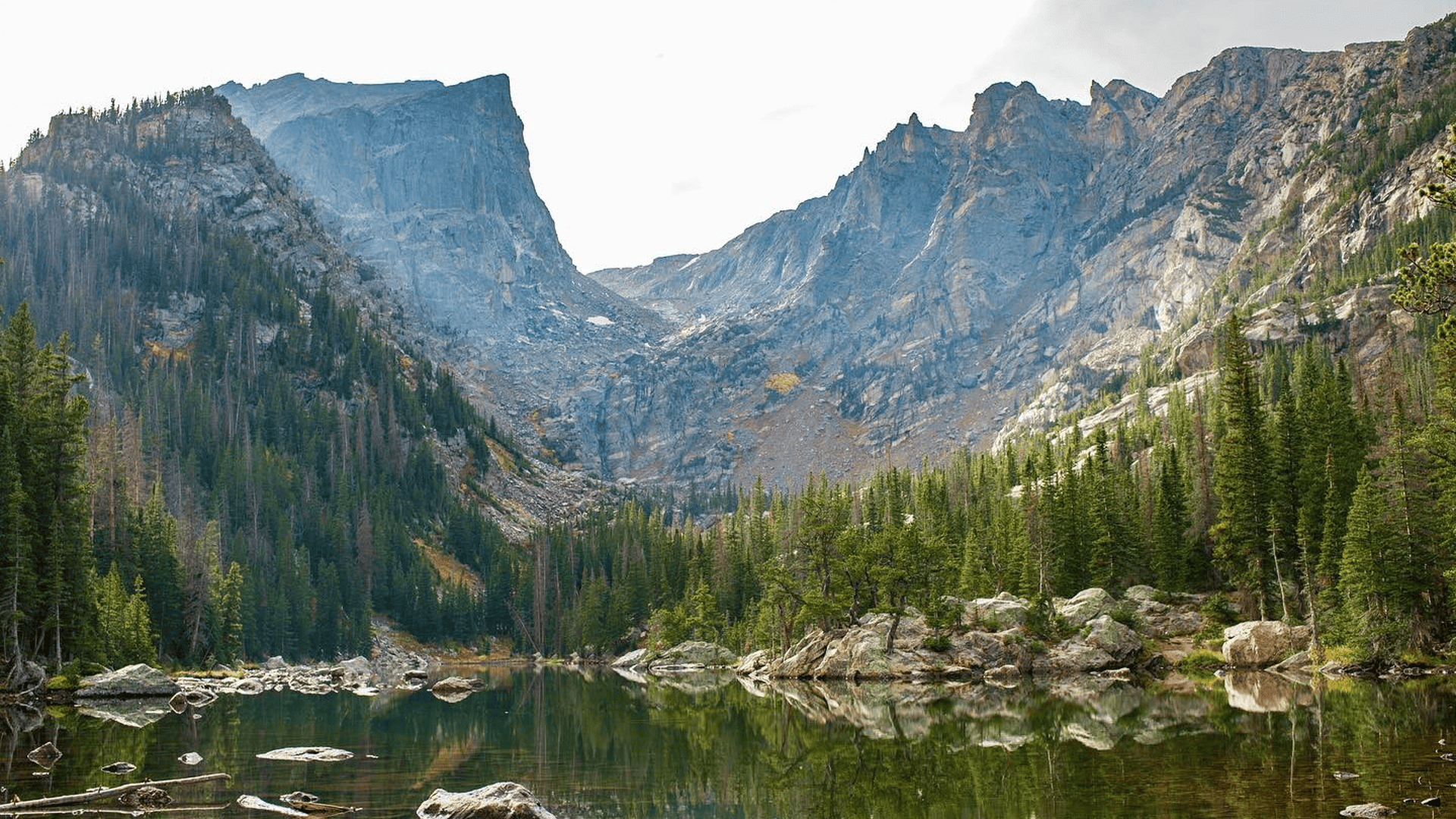
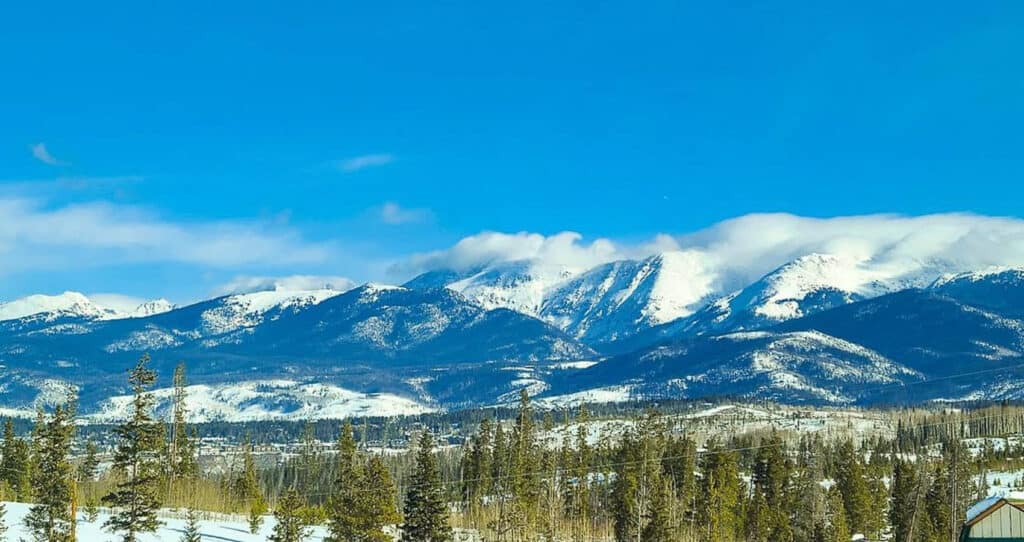
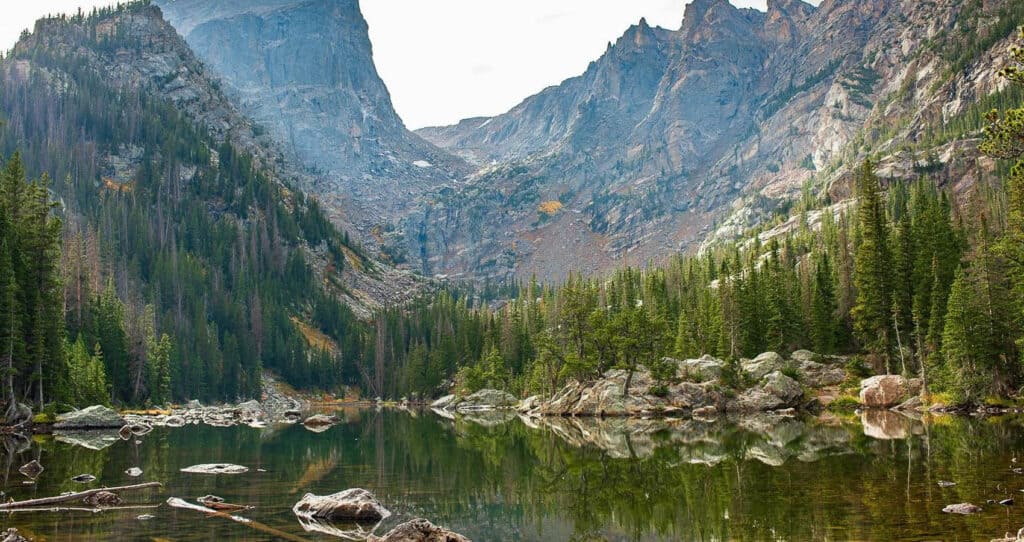
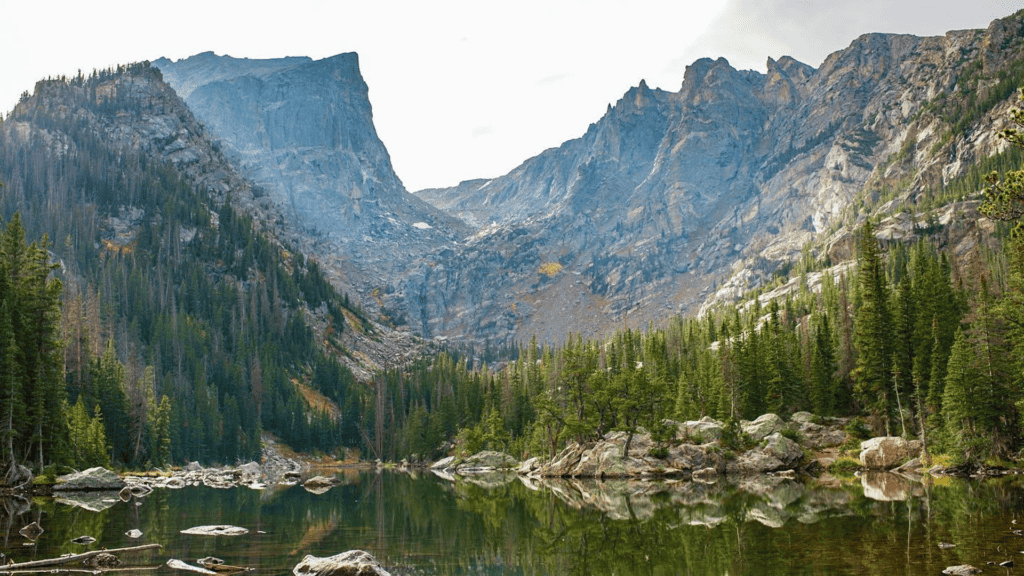
Grand County is the Western Gateway to Rocky Mountain National Park, boasting towering peaks, unforgettable wildlife encounters, and the unspoiled beauty and serenity of the park. Just another reason why out here, the altitude isn’t what takes your breath away.
Know before you go: Be sure to check Rocky Mountain National Park’s current reservation requirements and make your reservation at Recreation.gov.
Frequently Asked Questions
How many days are enough to visit Rocky Mountain National Park?
One to two days is enough to experience highlights like driving Trail Ridge Road, exploring Bear Lake Corridor, and taking a few short hikes. For a more active excursion, plan for at least three days to hike multiple trails, visit the Alpine Visitor Center, and see both sides of the park. If time allows, four to five days gives space for longer hikes, wildlife viewing, a trip to Grand Lake, and more at a relaxed pace.
Can you just drive through Rocky Mountain National Park?
Yes—many visitors experience the park by driving Trail Ridge Road, a scenic route (typically open May through October) that connects Estes Park and Grand Lake. Along the way, there are plenty of overlooks and pull-offs, so it’s more than just a drive-through journey. You can also ride Old Fall River Road—an unpaved, historic climb that reconnects with Trail Ridge Road at the top of Fall River Pass.
How far is Rocky Mountain National Park away from Grand County?
Depending on where you start in Grand County, the journey to Rocky Mountain National Park varies. The closest towns are Grand Lake and Granby, which are roughly 5 and 25 minutes away, respectively.
What is the best town to stay in to visit Rocky Mountain National Park?
Located on the shores of its namesake lake, Grand Lake is a small, walkable town with charming shops and restaurants, plus direct access to less-crowded Rocky Mountain National Park trails.
What is the busiest month to visit Rocky Mountain National Park?
July, the first half of August, and mid-September through mid-October are the busiest times of year.
How long is the drive from Denver to Rocky Mountain National Park?
The drive from Denver to Rocky Mountain National Park is roughly 1.5 hours.
Where to stay to be near Rocky Mountain National Park?
Estes Park is the gateway to Rocky Mountain National Park’s eastern entrance, with plenty of hotels, cabins and restaurants. Grand Lake, on the other hand, offers a quieter experience on the park’s west side. If you’d like to stay inside the park, campgrounds are available.
Where is the Rocky Mountain National Park entrance?
Rocky Mountain National Park has four main entrances. The Beaver Meadows and Fall River entrances are west of Estes Park. The Wild Basin entrance lies in the park’s southeast corner. On the park’s west side, the Kawuneech entrance is located just north of Grand Lake.
What is the top predator in the Rocky Mountains?
Mountain lions are the top predators in both the Rocky Mountains and the park. Should you encounter one, stay calm, hold your ground, or back away slowly while standing upright and facing the lion.
What’s the number one attraction in Colorado?
Rocky Mountain National Park is generally considered the top attraction in Colorado, drawing around 4 million visitors each year.
Explore Rocky Mountain National Park

Protecting the Source Starts with You
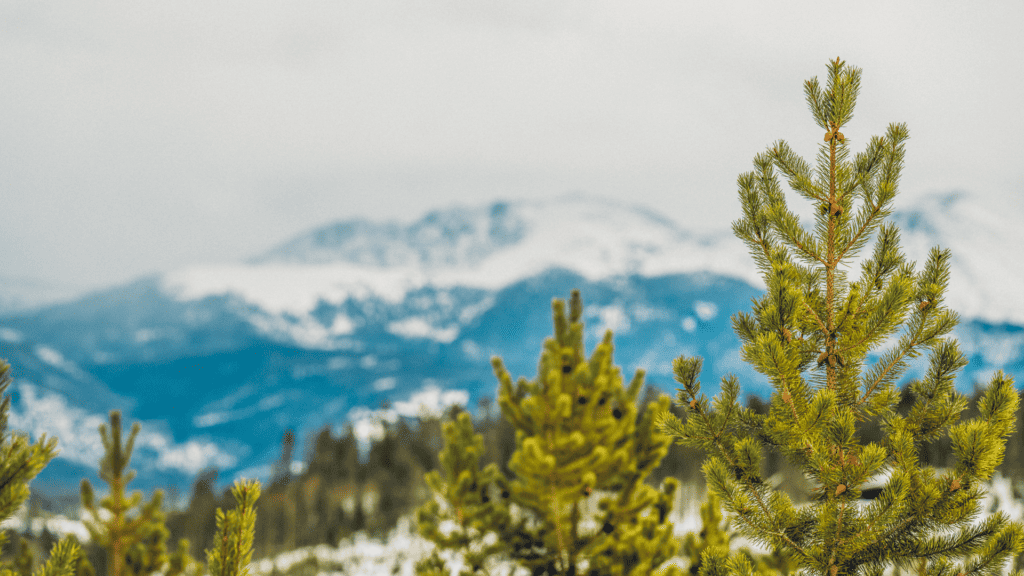
In Grand County, nature isn’t just what you visit — it’s what we protect. From mindful travel habits to supporting local stewardship efforts, small actions add up to big impact. Learn how you can explore responsibly and help keep this place wild for generations to come.
Sign up for the newsletter
Get updates on local events, seasonal highlights, and what’s new in Grand County — straight to your inbox.